


Lip Oil vs Lip Gloss: Which One Is Right for Your Lips?

You're standing at the checkout (or scrolling a product page at midnight) with a lip oil in one hand and a gloss in the other. They look almost the same in the tube. The real difference is the job: lip oil is a thin, slippery formula that leans toward comfort and a soft sheen, while lip gloss is thicker and shinier, and usually holds more color. We make the gloss side of this pairing, our Volume Lip Gloss with shea butter, so here's an honest comparison to help you pick the one that suits your lips. This guide is for anyone choosing between the two for everyday wear. It is not a guide to treating cracked or sore lips, which need a balm first.
Key Takeaways
- The short answer: Lip oil feels lighter and softer on dry lips, while lip gloss gives more shine, more color and longer wear.
- Texture: Oil is thin and slips easily; gloss is thicker and can feel tacky.
- Dry lips: Neither replaces a thick balm, which the American Academy of Dermatology says seals in water longer than oils.
- Mature lips: Both can travel into lines around the mouth, so a lip liner helps either one stay put.
- Layering: Both work over liner or a set lip stain, as a final step.
What Our Customers Ask
The question people search most about this pairing is simply "which is better, lip gloss or lip oil?" Our answer comes down to what you want from the last step of your lip routine. We make a gloss, not an oil: a finish with a high, mirror-like shine that sits on top of our liner, stain and plumpers. Our Volume Lip Gloss comes in Clear and Sweet Pink, and the order we suggest is liner or stain first, plumper next, gloss last. If you love the soft feel of an oil, a thin coat of the Clear shade over a balm gets you close, with more shine. Our Luxury Lip Liner underneath keeps either one inside your lip line.
What's the Difference Between Lip Oil and Lip Gloss?
Lip oil differs from lip gloss in texture, finish and wear: lip oil is a thin, oil-based formula that gives a soft, glassy sheen and feels light on your lips. Lip gloss is thicker, usually more pigmented, and gives a higher, more reflective shine that stays put a little longer.
Gloss gets its body from thicker ingredients that hold onto the lip, which is why it can feel tacky. Oil spreads thin and moves with your lips, so it rarely feels sticky. The trade-off is wear time, which we cover below.
Color is the other split. Most lip oils are clear or sheer, while gloss comes in everything from clear to fully tinted. If you want a sheer wash of color with shine, our gloss in Sweet Pink gives a soft pink tint, and the Clear shade lets your own lip color show through.
| Lip oil | Lip gloss | |
|---|---|---|
| Texture | Thin and slippery | Thick, can feel tacky |
| Finish | Soft, glassy sheen | High, mirror-like shine |
| Color | Usually clear or sheer | Clear to fully tinted |
| Wear time | Shorter; wears away with eating and talking | Longer; the thicker texture grips the lips |
| Feel on dry lips | Lighter, less likely to cling to flakes | Can cling to flakes, so keep the layer thin |
| Best for | Comfort and a sheer, natural look | Shine, color and longer wear |
The common mistake is expecting one to do the other's job. A lip oil won't give you the mirror shine of a gloss, and a gloss won't feel as soft as an oil.
What Is Lip Oil, and What Does It Do?
Lip oil is a lip product made mostly of oils, sometimes with a little tint, that adds shine and a soft, comfortable feel. It sits on the surface of your lips and helps them look smooth and glossy.
Lips need the help, because the red part of your lips has no sweat or oil glands of its own, according to Cleveland Clinic. That's why lips dry out faster than the skin around them. A lip oil adds a slick layer on top, and it can make dry flakes look less obvious for a few hours.
It's worth being honest about what an oil can't do. Think of it as a comfortable cosmetic finish rather than a repair treatment. For lips that are cracked or sore, a balm or ointment is the better first step. If you wear a plumper, add your shine only after the plumper has had its 5 to 10 minutes; with our Normal Lip Plumper, that's the step right before the gloss.
This does not apply when your lips react to flavored products. Many lip oils are flavored or scented, so read the list if your lips sting easily.
Which Lasts Longer, Lip Oil or Lip Gloss?
Lip gloss usually lasts longer than lip oil, because its thicker texture grips the lips while oil spreads thin and wears away with eating and talking. Expect to reapply an oil more often.
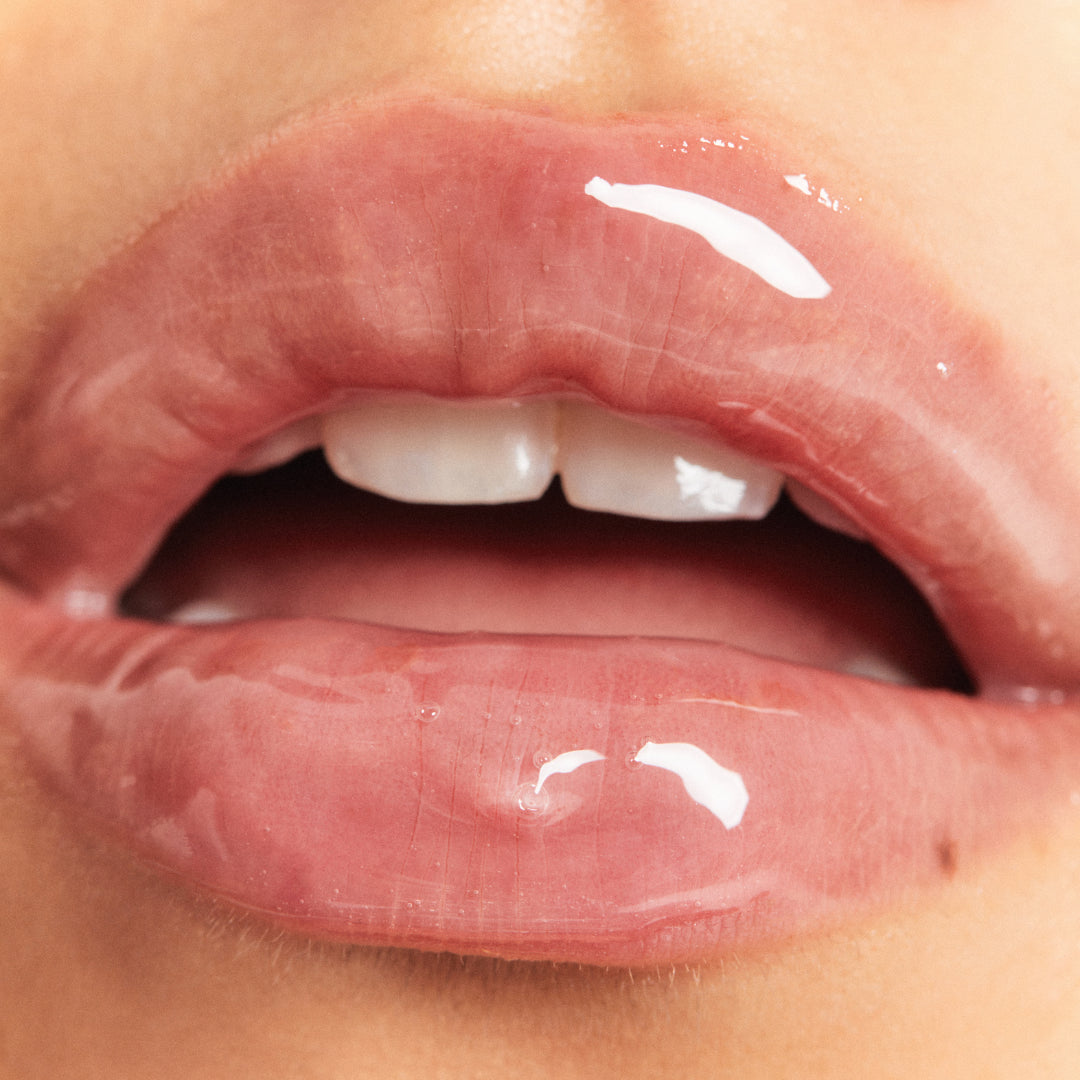
That stickiness has a purpose. The tacky feel some people dislike is the same thing that keeps gloss in place. A lighter, less sticky gloss sits in the middle, with more wear than an oil and less tack than a classic gloss.
If you love the feel of oil but want more time between touch-ups, try it over a lip liner or one of our peel-off lip stain shades. The color underneath stays put even after the shine fades.
The common mistake is over-applying. A thick layer of either one slides around sooner, so start with one thin coat.
Our Volume Lip Gloss at a Glance
Our Volume Lip Gloss is a shea butter gloss for a high, mirror-like shine. It suits anyone who wants a glossy finish over bare lips, a liner, a set stain or a plumper. It isn't a treatment for cracked lips, which need a balm first.
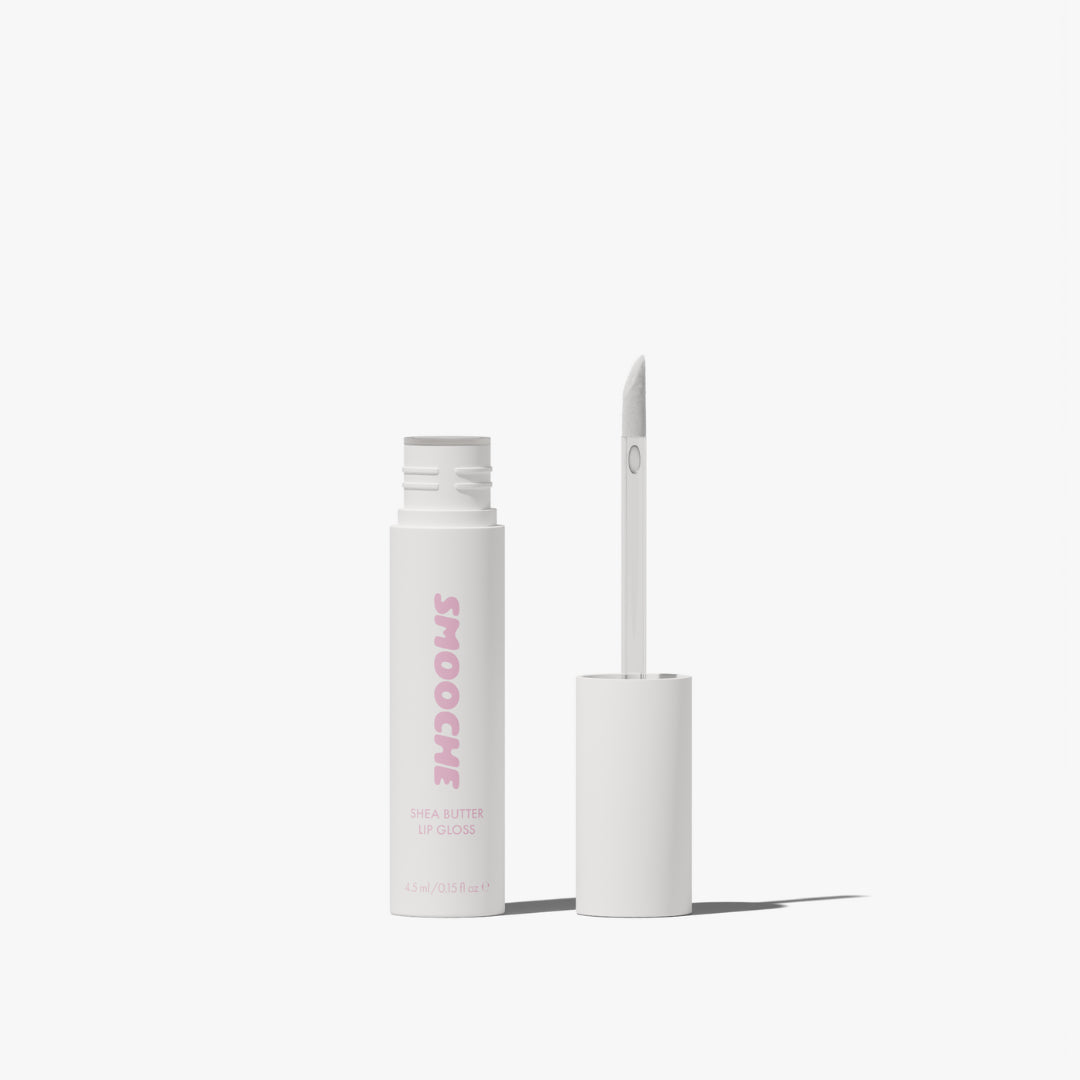
- Two shades: Clear for pure shine, Sweet Pink for a soft tint.
- Layers well: It enhances the fuller look from our lip plumpers and goes over a peeled stain.
- Kind formula: No sulfates or parabens, and it's vegan and cruelty-free.
See both shades of our shea butter gloss on the product page.
Is Lip Oil or Lip Gloss Better for Dry Lips?
Lip oil usually feels better on dry or chapped lips than lip gloss, because it's thinner and less likely to cling to flakes. Neither one is a substitute for a proper balm when your lips are truly dry.
The American Academy of Dermatology (AAD) suggests a thick ointment, such as white petroleum jelly, for very dry, cracked lips, because ointment seals in water longer than waxes or oils. The AAD also lists fragrance, menthol, camphor and mint or citrus flavors as ingredients to avoid on chapped lips. So check the label of any oil or gloss, too.
A simple routine works well. Use a balm overnight, wipe off any leftover in the morning, then add oil or gloss on top for shine. It's the same hydrate-first idea from our guide to foundation that doesn't settle into fine lines, applied to your lips. Outdoors, the AAD recommends a lip balm with SPF 30 or higher, reapplied every 2 hours, which most oils and glosses don't offer.
If your lips stay cracked, bleeding or sore for more than 2 to 3 weeks, the window the AAD gives for self-care to work, see a dermatologist instead of trying another product.
Which Works Better on Mature Lips?
On mature lips, a light lip oil or a thin layer of sheer gloss usually looks the most natural, because heavy formulas can settle into fine lines. The real fix for either one is a lip liner around the edge.
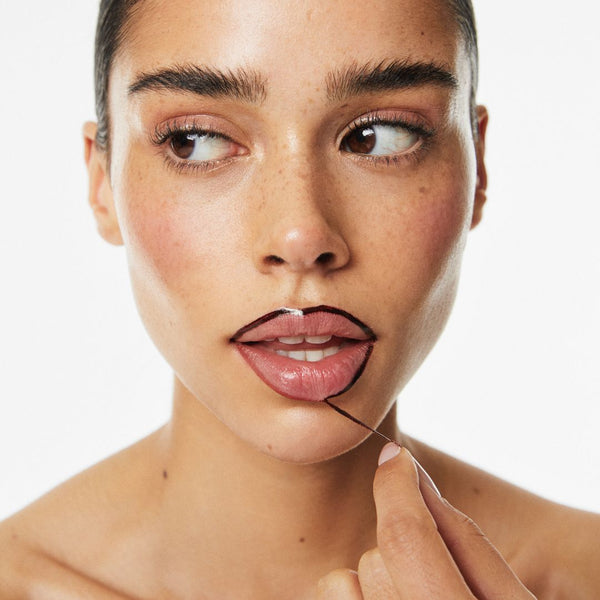
If you've watched gloss creep into the lines around your mouth by lunchtime, you're not alone. Small vertical lines often form around the lip border with age, and thin, slippery formulas follow them. That's called feathering. The good news? A lip liner acts as a border: ours creates a barrier around the lip line, so gloss and lipstick don't bleed or feather past it.
Keep gloss to the center of your lips if lines are a concern, and blend outward with a fingertip. Oil tends to travel more than gloss, so use less of it near the edges.
The common mistake is going too sheer at the edges. A neutral liner that's close to your lip color gives a crisp shape without looking drawn on.
Can You Wear Lip Oil or Gloss Over Liner or Lip Stain?
You can wear lip oil or lip gloss over lip liner or a set lip stain, and both work best as the last step. The liner or stain gives color and shape, while the oil or gloss adds shine on top.
Over liner, fill your lips in lightly with the pencil first, then add oil or gloss to the center. This keeps the edge crisp. Over a peel-off stain, wait until you have peeled the film away, then add your shine. Our guide on how to apply peel-off lip stain walks through that step by step, and our peel-off lip stain comes in four shades.
Oil is the softer choice over stain if your lips feel a little tight after peeling. Gloss is better if you want the color to look richer and the shine to last longer, which is why we pair our stain with our gloss.
This does not apply when you put oil on before a stain. Any oil underneath blocks the pigment, so keep it for afterward.
What About Tinted and Plumping Lip Gloss?
Tinted lip gloss adds a sheer to medium wash of color along with shine, while plumping lip gloss adds ingredients meant to make lips look fuller, often with a tingle. Both are still glosses in texture and wear.
Tinted gloss is the easy middle ground if you can't choose between a lip oil and a full lipstick. Plumping gloss often contains warming or tingling ingredients, so patch test first if your lips are sensitive, and put down any lip product that burns or stings, as the AAD advises.
For fuller-looking lips without the tingle, shine itself helps, because light reflects off the center of your lips. If you do want the tingle, we keep it separate: a plumper first, then a clear gloss on top. Our post on making your lips look bigger without filler has more ideas.
The common mistake is applying plumping gloss to chapped lips. Warming ingredients feel much stronger on broken skin.
How Does Smooche's Lip Gloss Compare?
Our Volume Lip Gloss sits on the gloss side of everything above: a shea butter formula with a glossy, mirror-like shine that, like any gloss, usually outlasts a thin oil, with a little color if you want it. We don't make a lip oil, so if a featherlight, barely-there feel matters most to you, an oil may suit you better.
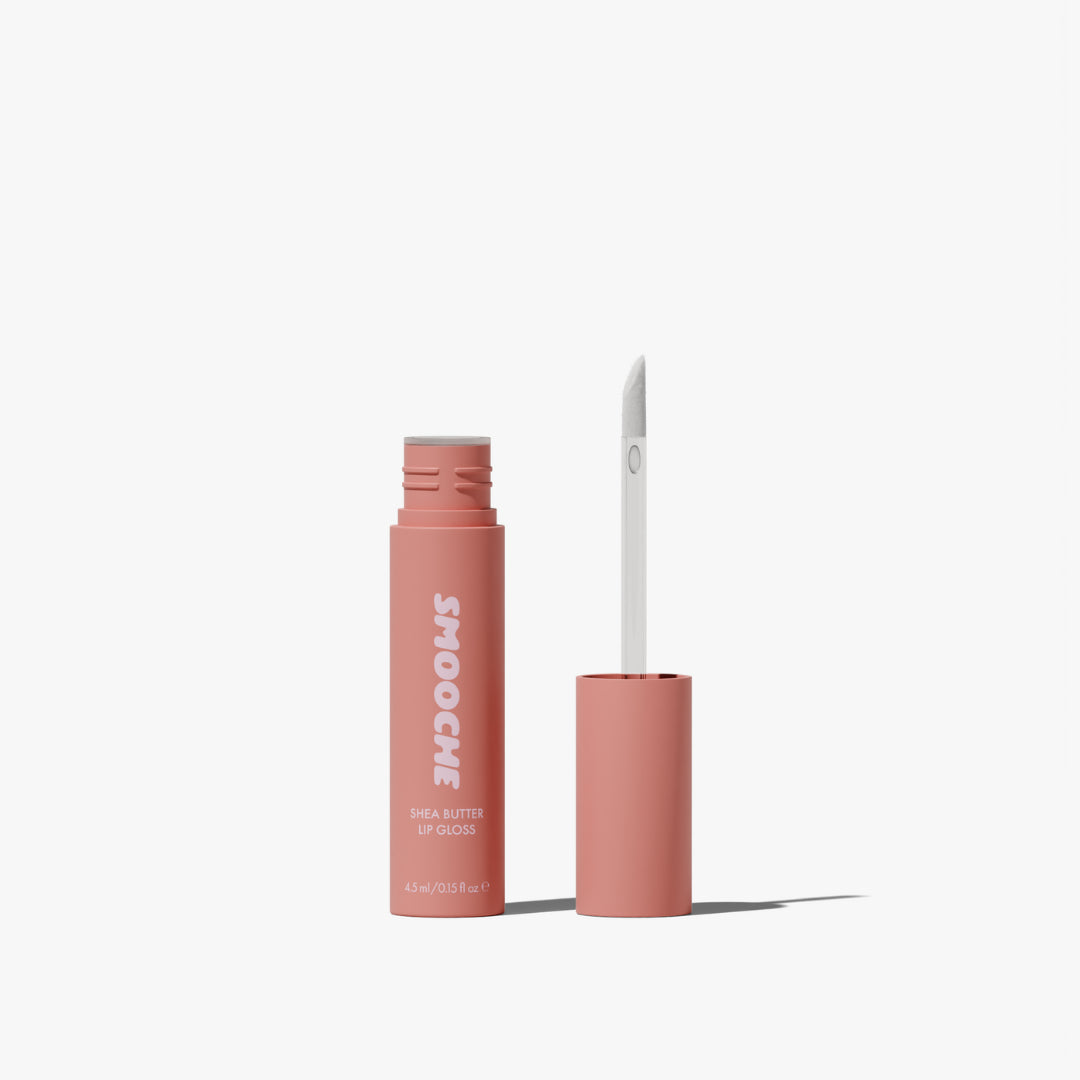
Where our gloss earns its place is layering. It enhances the fuller look from our lip plumpers, it goes straight over a peeled stain, and it sits inside a line drawn with our liner in Espresso, Hazelnut, Blush or Cherry. You'll find the gloss with the liner, stain and plumpers in our lip collection.
Lip Oil or Lip Gloss Checklist
- Choose lip oil for a light, soft feel and gloss for more shine and color.
- Read the label and skip fragrance, menthol and mint if your lips get dry.
- Use a thick balm overnight and wipe it off before your morning shine.
- Line your lips first if you have fine lines around your mouth.
- Keep gloss to the center of your lips and blend outward.
- Add oil or gloss only after a peel-off stain has been peeled.
- Wear a lip balm with SPF 30 or higher when you're outdoors.
Frequently Asked Questions
Which Is Better, Lip Gloss or Lip Oil?
Lip gloss is better if you want high shine and longer wear, while lip oil is better for a light, comfortable feel. Many people keep one of each. On very dry lips, start with a balm and add either one on top.
Is Lip Oil the Same as Lip Gloss?
Lip oil is not the same as lip gloss, even though both add shine and often come in similar tubes. Oil is thinner and lighter, and usually clear or sheer. Gloss is thicker, can feel tacky and often carries more color.
Can I Use Lip Oil Every Day?
Lip oil can be used every day as long as your lips stay comfortable and the formula doesn't sting or make them feel drier. Stop if a scented or flavored formula makes them sting. Keep a balm with SPF for time outdoors.
Does Lip Oil or Lip Gloss Last Longer?
Lip gloss usually lasts longer than lip oil, because its thicker texture grips your lips while a thin oil slides off faster. Expect to reapply an oil after eating and drinking. Wearing either one over liner or stain keeps color in place after the shine fades.
What Are the Downsides of Using Lip Oil?
Lip oil's main downsides are a short wear time and the chance that scented or flavored ingredients will irritate dry or chapped lips. It can also travel into fine lines around the mouth. A lip liner and an unscented formula help with both.
Find Your Shine
Ready to try a gloss with a liner underneath? Start with one thin coat of our Volume Lip Gloss in Clear or Sweet Pink over your favorite liner.
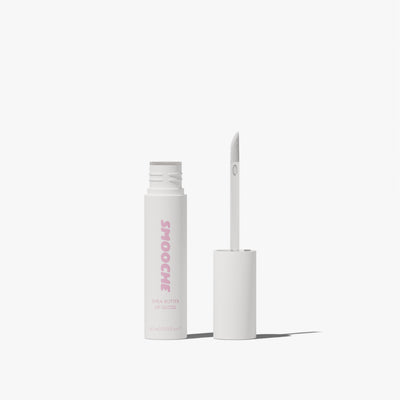
Featured in this guide
Our Volume Lip Gloss
A shea butter gloss with a mirror-like shine, in Clear and Sweet Pink.
Shop the glossKeep reading
- Tags: Lip care Lip gloss Lips Makeup tips